Plastic caps for carbonated and non-carbonated beverages: key differences and requirements
As we stated in previous articles, in the beverage industry, closures play a fundamental role in product protection, shelf-life performance and consumer experience. Although they may appear similar, plastic closures for carbonated beverages and those for non-carbonated beverages are designed with distinct features and requirements.
Understanding these differences is essential for brands looking into optimizing performance, sustainability and compatibility across bottling lines.
Managing pressure: the core functional difference
The internal pressure generated by CO₂ makes carbonated drinks significantly more demanding in terms of closure design.
Caps developed for soft drinks or sparkling beverages must:
-
withstand high internal pressure
-
ensure tight sealing over the entire product lifecycle
-
preserve carbonation even under challenging situations
For still water and other non-pressurized products, caps can focus instead on ease of opening and material efficiency. Still water caps, for example, can be ultra-lightweight while maintaining reliable sealing performance.
Sealing design and technical specifications
To guarantee product safety, caps for carbonated beverages often integrate advanced sealing technologies tailored for high-pressure environments. These features ensure stable retention of carbonation and prevent leakage.
On the other hand, closures for non-carbonated beverages can adopt simplified sealing structures, allowing for greater flexibility in lightweighting and reducing resin usage without compromising functionality.
Sustainability and lightweighting
Sustainability is a key priority across the beverage sector. However, the extent to which a closure can be optimized on weight depends on the beverage type.
-
For still water and other non-carbonated drinks, manufacturers can implement extremely lightweight caps for bottles, contributing to a lower environmental footprint.
-
For carbonated beverages, lightweighting must be carefully engineered to balance sustainability with mechanical performance and pressure resistance.
Through continuous R&D, Pelliconi develops cap solutions that reduce material consumption while ensuring the high-level performance expected by global beverage brands.
A better experience for consumers
For non-carbonated beverages, user-friendly opening and a smooth reclosure experience are essential.
For carbonated beverages, closures must also manage the release of pressure safely while maintaining product integrity.
Across both categories, cap design contributes significantly to brand perception and overall drinking experience.
Plastic caps are highly engineered components that must meet the specific needs of each beverage category. Whether for carbonated beverages or still water, closures must guarantee protection, efficiency and sustainability.
With ongoing innovation and a commitment to quality, Pelliconi continues to support beverage producers worldwide with reliable, high-performance and environmentally conscious cap solutions.
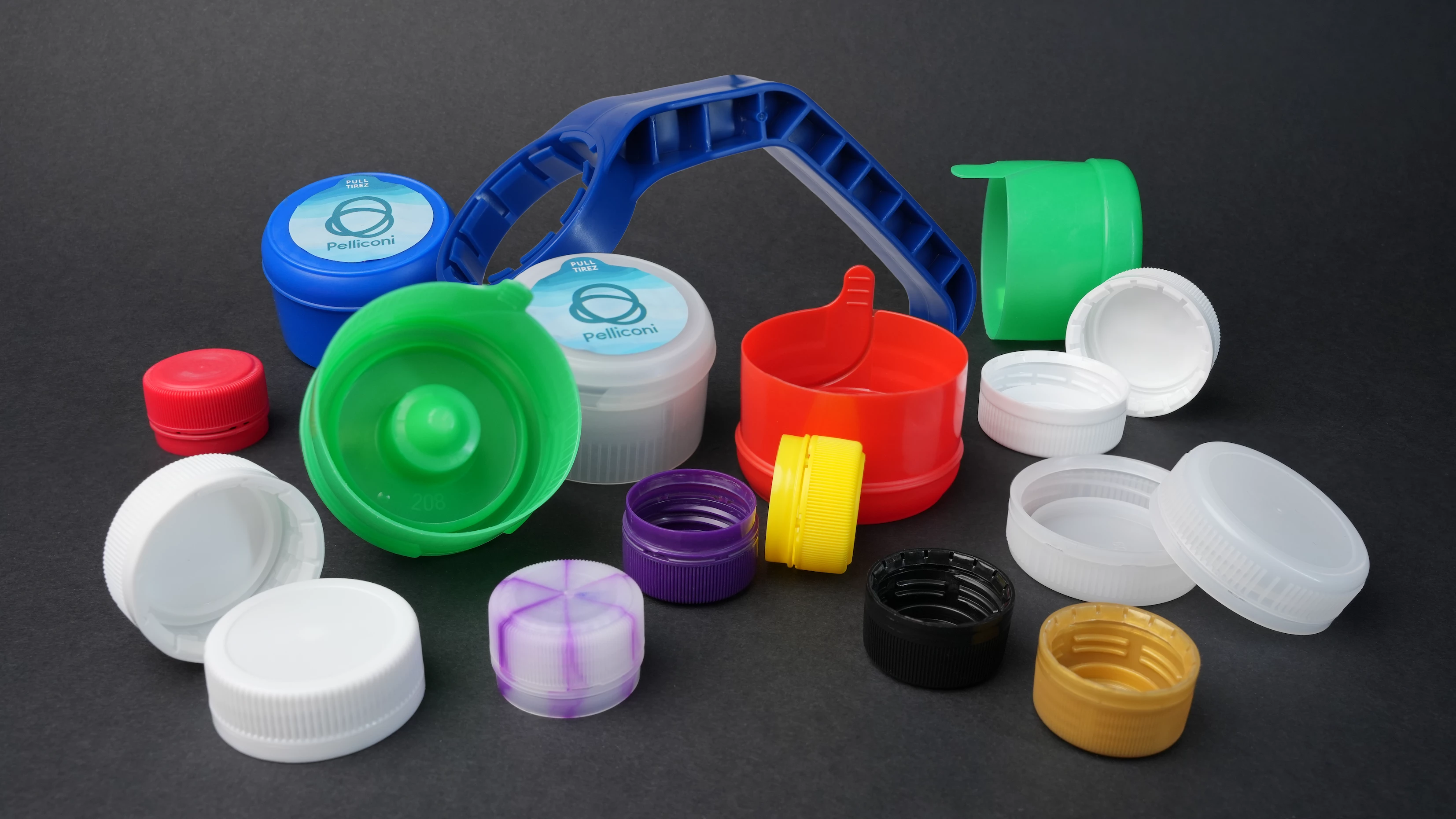
Examples of Pelliconi’s innovative plastic caps
-
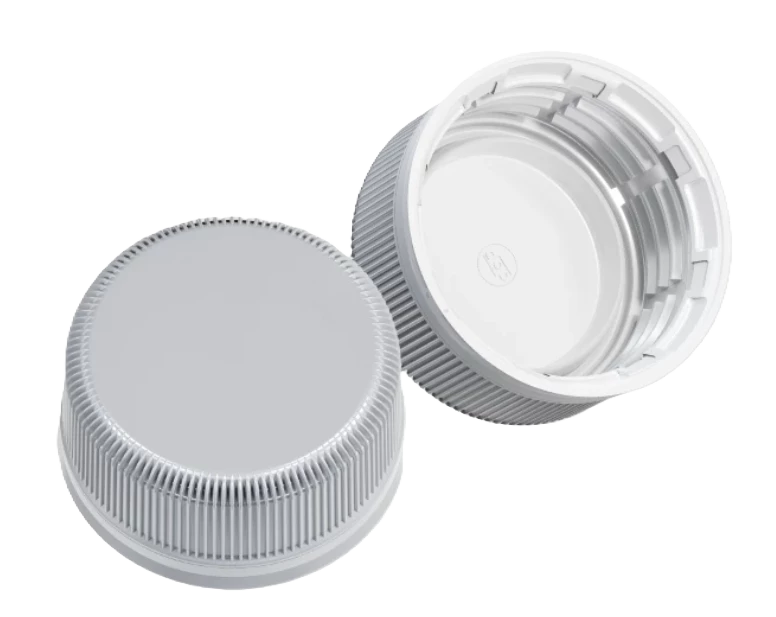
NOVAQUA 28 mm - an ultra lightweight cap for still water, with easy opening and a one-piece structure for enhanced convenience.
-
28 mm LIGHTWEIGHT - 1881 - a lightweight plastic cap for carbonated soft drinks, designed for safe pressure management and smooth reclosure.
-
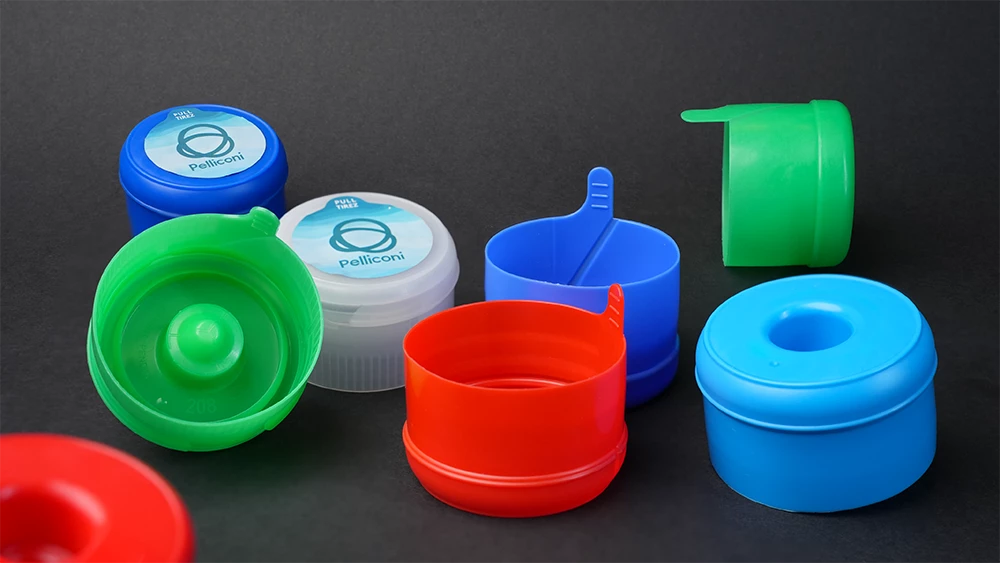
HOD one-piece capsule - ideal for large-format water containers, combining reliability, ease of use and material efficiency.
Pelliconi combines advanced technology, efficient material use, and user-centered designs to create plastic closures that meet the continuously evolving needs of the beverage industry.