Eco-friendly plastic bottle caps: recycled and biodegradable solutions
In recent years, packaging sustainability has become a priority for the entire beverage sector. Growing attention to the environmental impact of plastic, together with evolving regulations and consumer expectations, is accelerating the search for more efficient and circular solutions. Even seemingly simple components such as caps play an important role in this transition: designing more sustainable closures means making a concrete contribution to reducing plastic waste and promoting a more responsible use of resources.
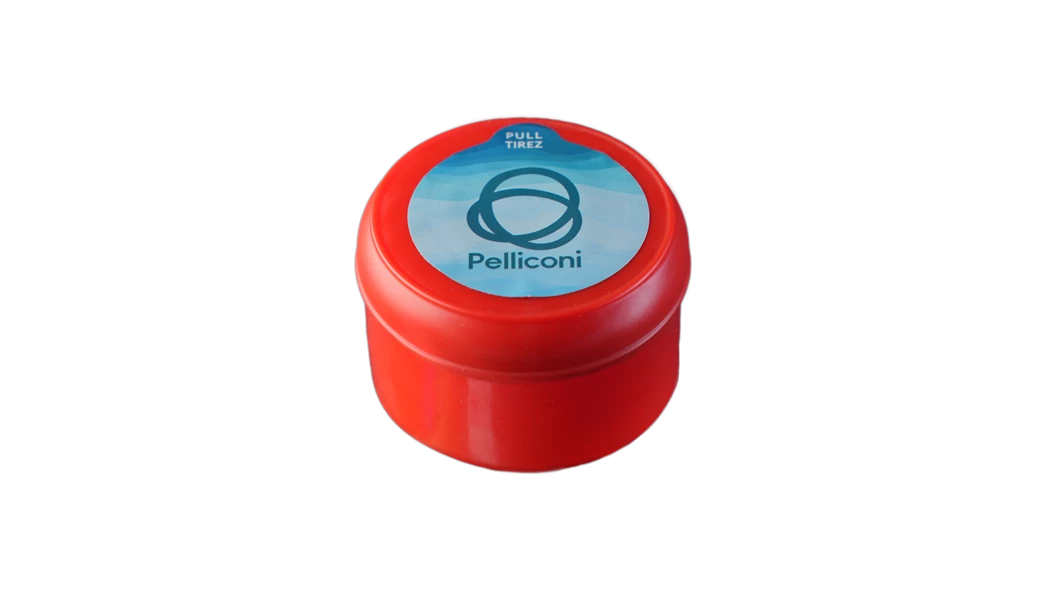
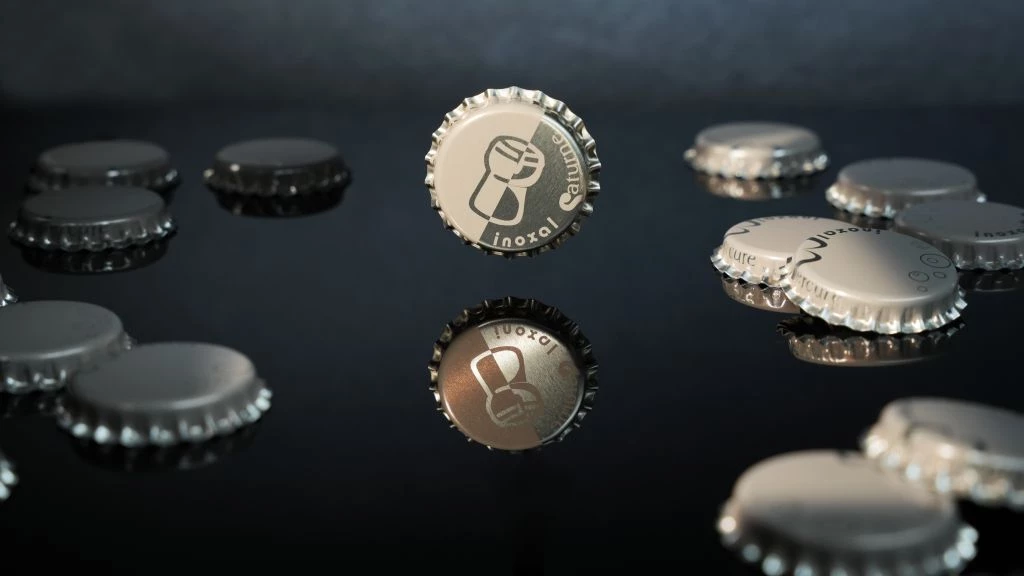
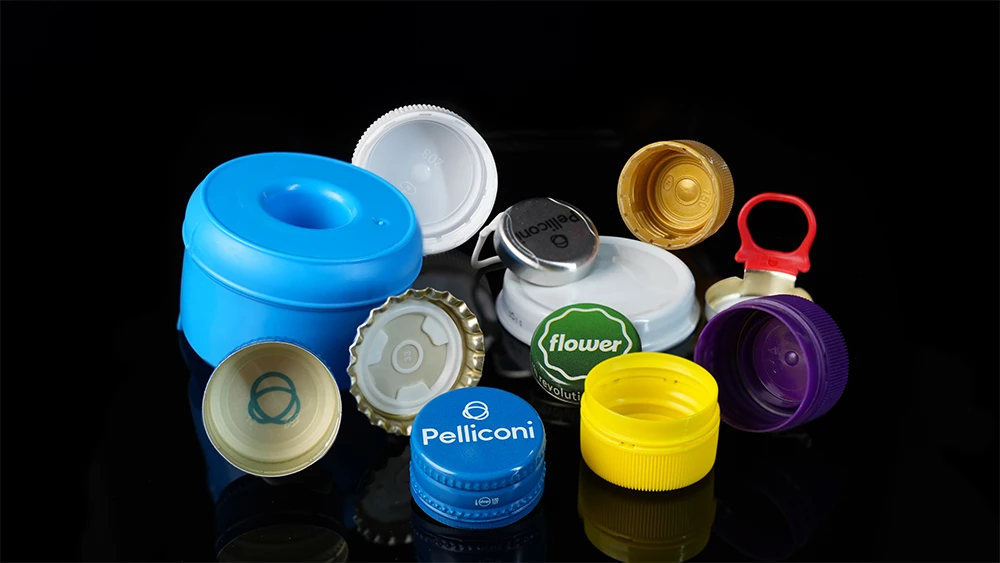
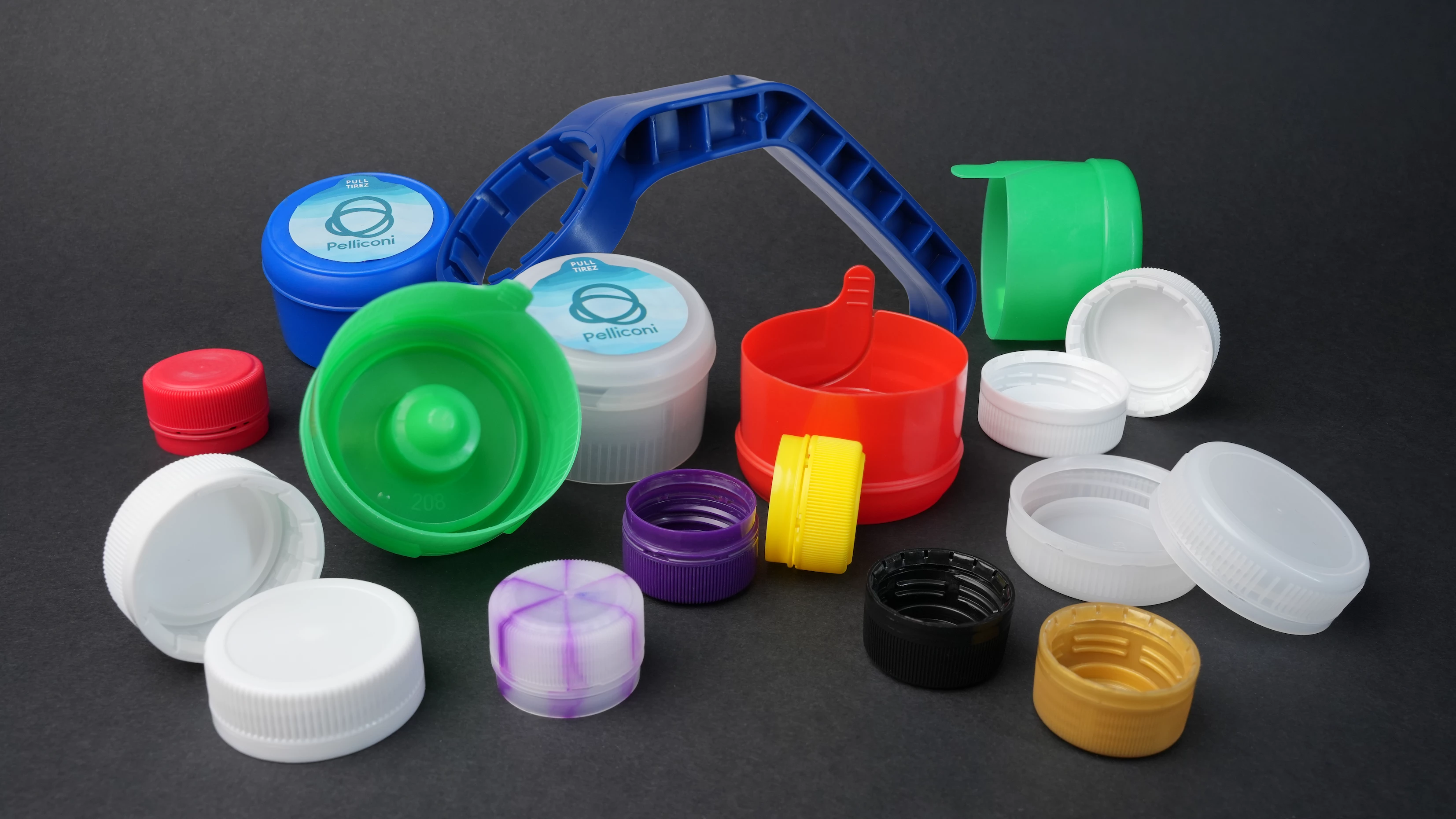
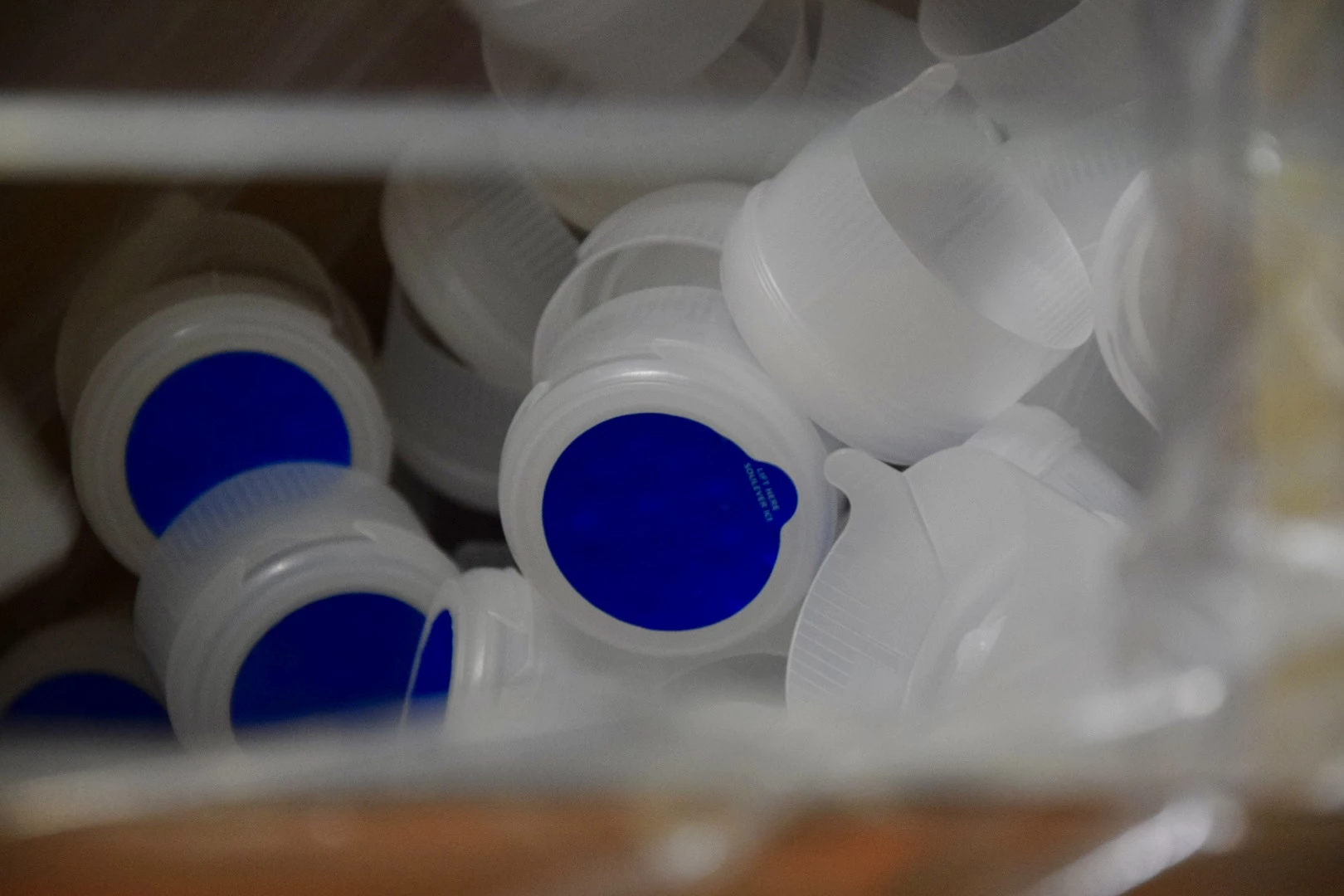
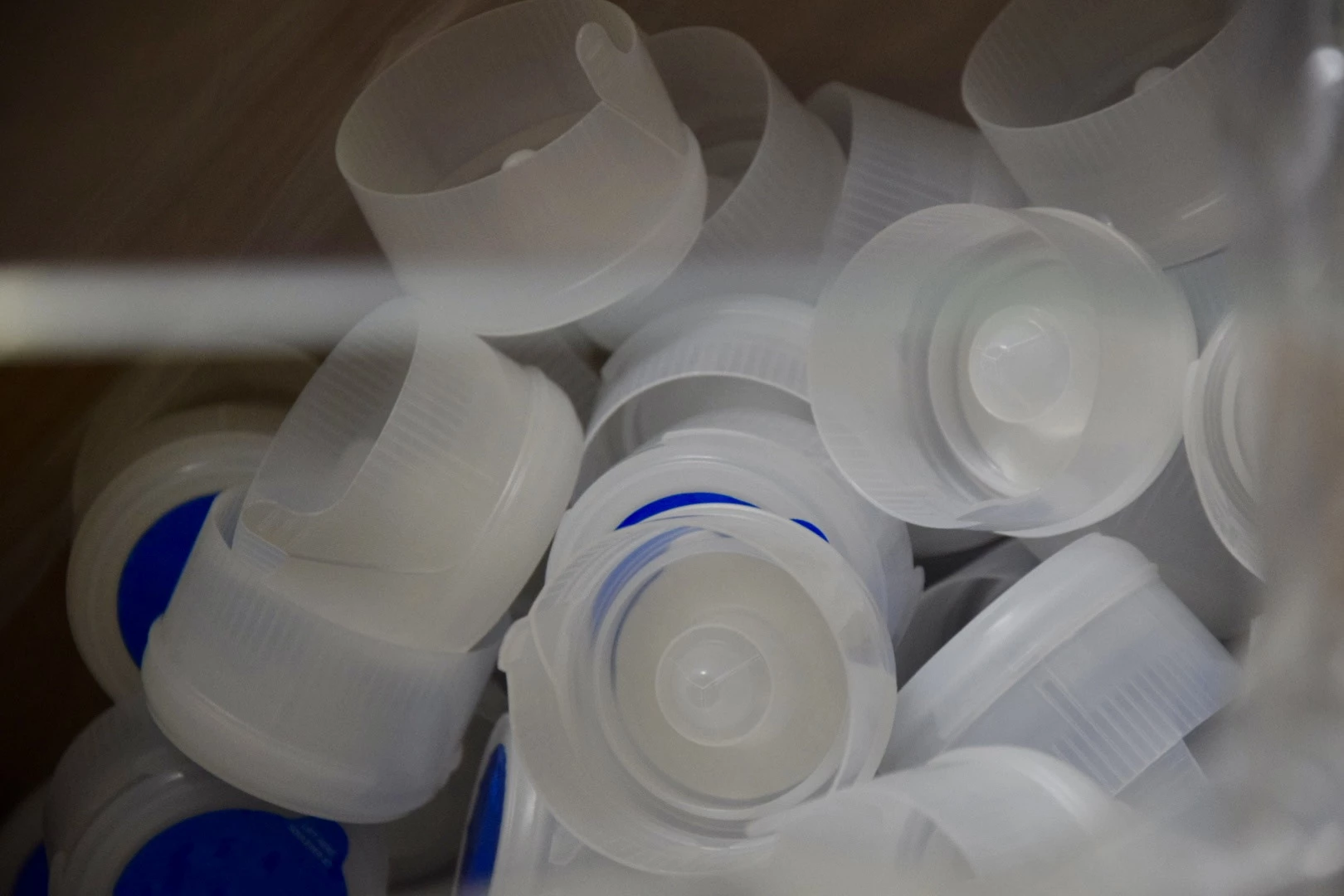
In this context, eco-friendly bottle caps now represent one of the main areas of innovation in the packaging world. The challenge is not only to reduce the amount of plastic used, but also to develop recycled plastic caps designed to be lighter, recyclable, and compatible with material recovery systems.
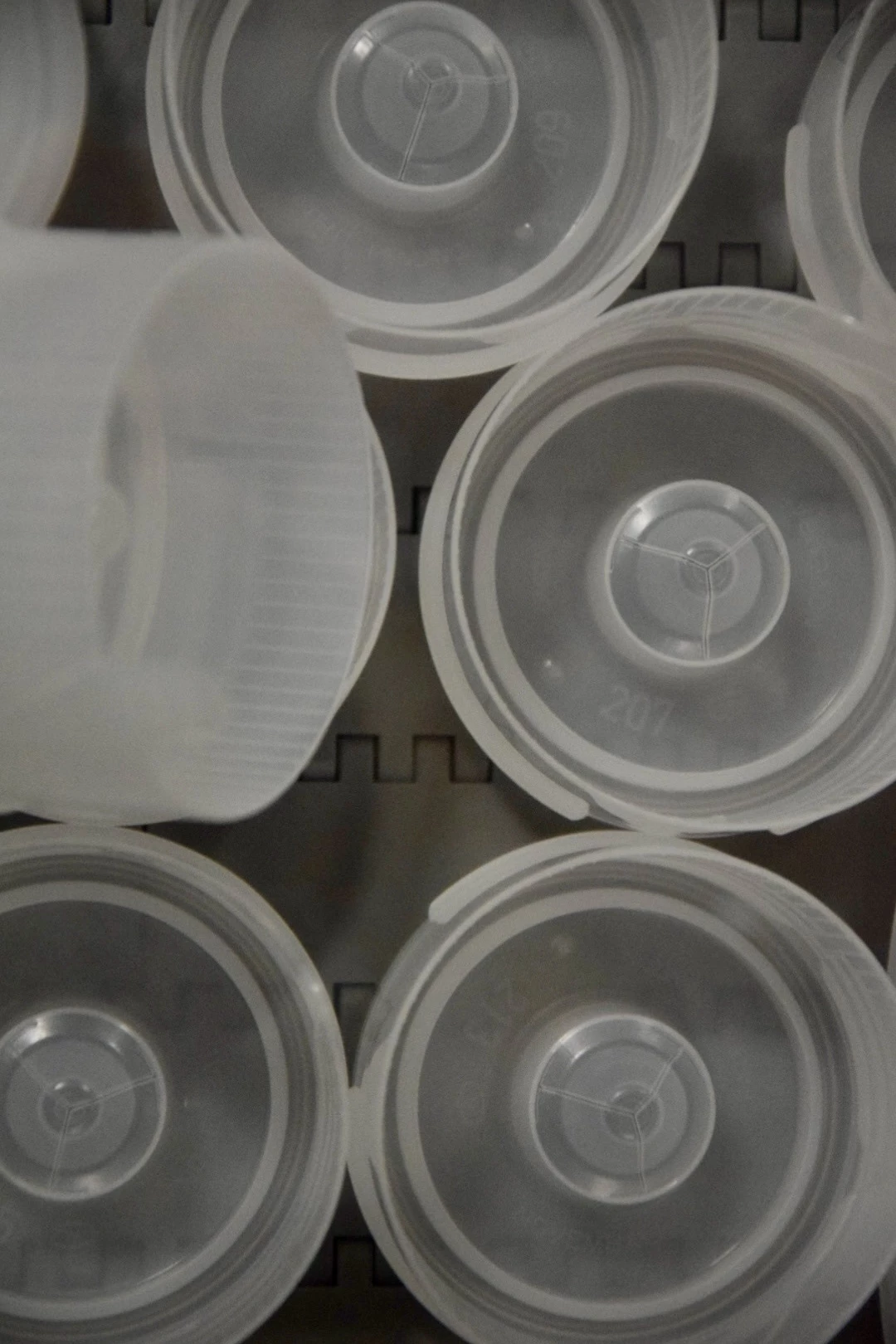
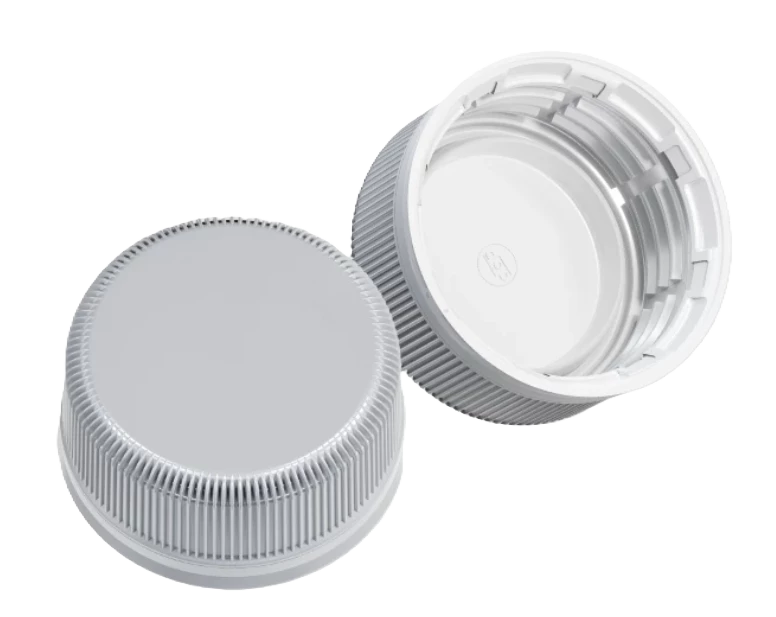
For years, we have been working in this direction by integrating sustainability into both closure design and our production processes. One of the most effective approaches is the development of lightweight caps, which allows us to reduce the amount of plastic used while maintaining high standards of safety and performance. Thanks to design optimization and the use of advanced molding technologies, we are able to develop increasingly lighter and more material-efficient closures. Even minimal reductions in the weight of a cap can generate a significant impact when considering global production volumes.
At the same time, we continue to focus on design for recycling, creating closures that are compatible with existing recycling streams and favoring mono-material solutions that facilitate plastic recovery at end of life. The goal is to contribute to the development of an increasingly circular packaging system, where each component can be reintroduced into the material cycle.
Sustainability is also an integral part of our industrial processes. In our facilities, we recover and recycle over 95% of production waste, minimizing the waste generated by manufacturing activities. Meanwhile, we invest in environmental management systems and energy efficiency to constantly monitor and improve our performance.
Future projects and directions for innovation
Looking ahead, innovation in eco-friendly bottle caps in the beverage sector may develop along several directions. One of the main ones concerns the increasing integration of recycled plastics (PCR) into closures, an important step in reducing the use of virgin raw materials and improving material circularity.
Another area of development involves the exploration of bio-based materials derived from renewable sources. Polymers such as bio-PE, PLA, and other bioplastics represent a possible evolution for the closures sector, with the aim of reducing dependence on fossil resources while maintaining the performance required for beverage applications.
At the same time, it is essential to continue working on reducing waste in production processes through increasingly efficient material recovery systems and low-energy manufacturing technologies.
Another important area of innovation involves collaboration across the entire packaging value chain to improve end-of-life material management. Partnerships with recycling consortia, beverage producers, and distributors can help strengthen plastic collection and recovery, promoting concrete circular economy initiatives.
Finally, a key element will be continuing to promote greater awareness of the value of recycling. Caps are also part of the material recovery system and, if properly collected, can be reintroduced into the production cycle.
The journey toward more sustainable packaging is constantly evolving. Through research, innovation, and collaboration across the entire value chain, we continue to develop increasingly efficient and responsible closures, contributing to building a future in which industrial performance and sustainability can progress together.